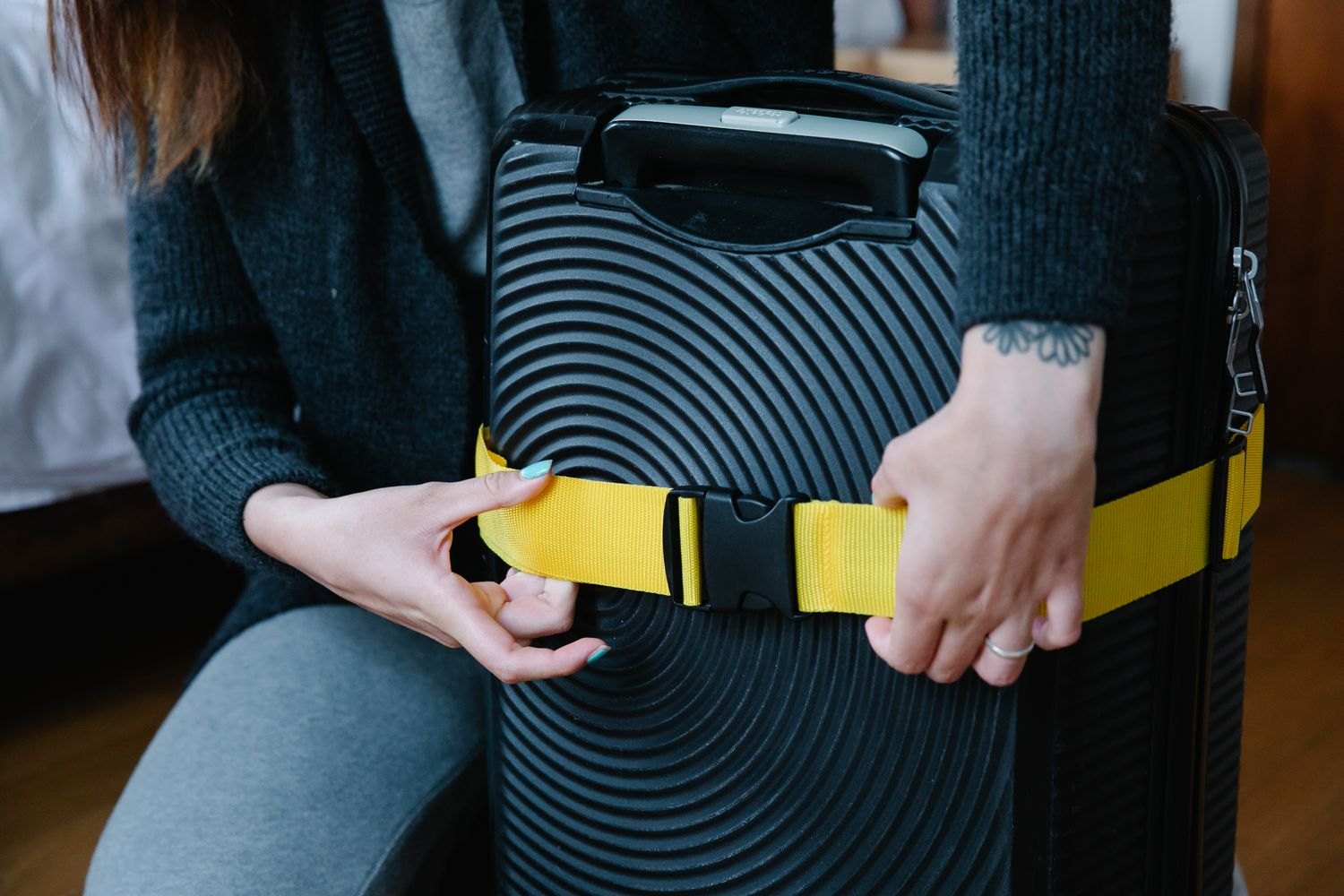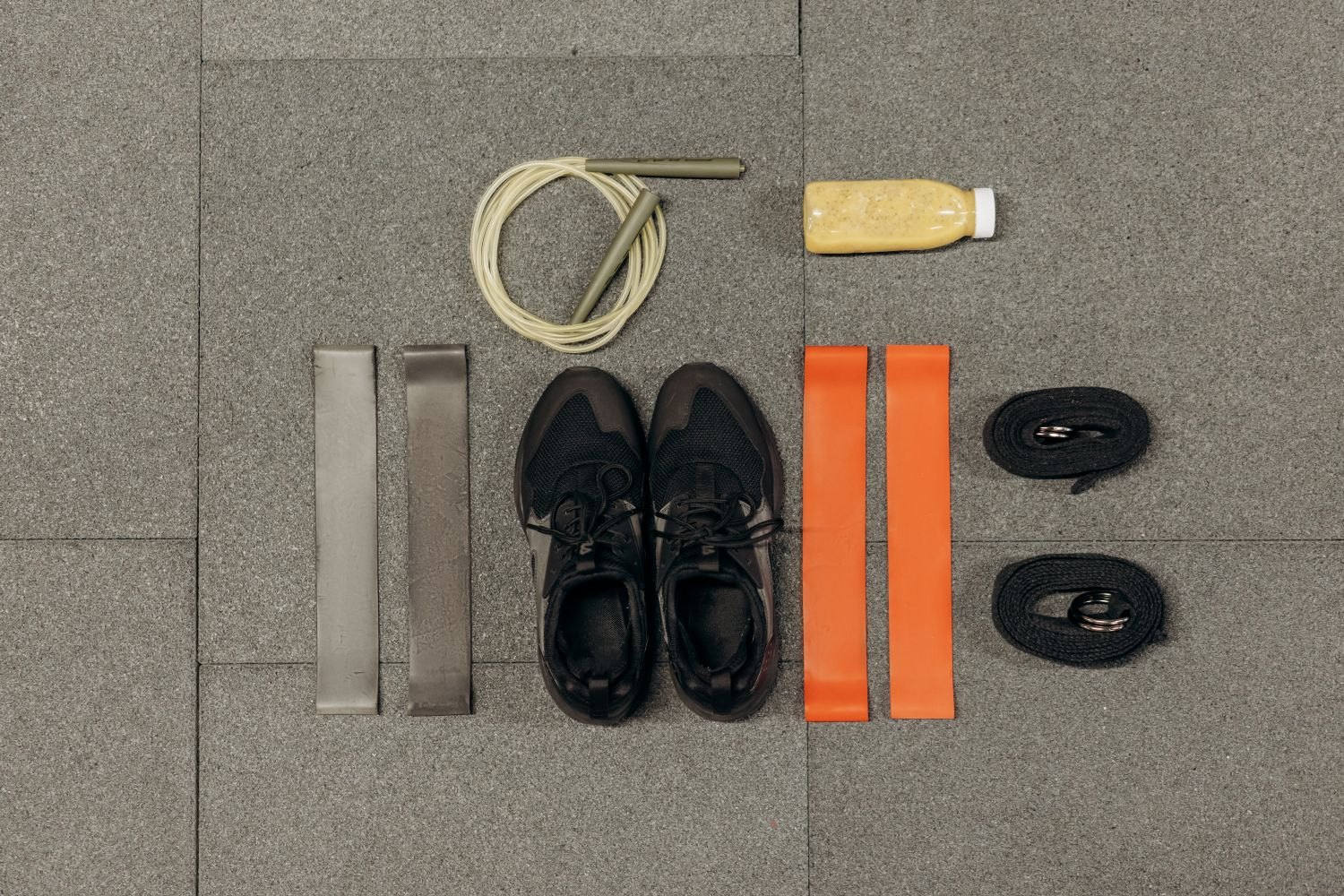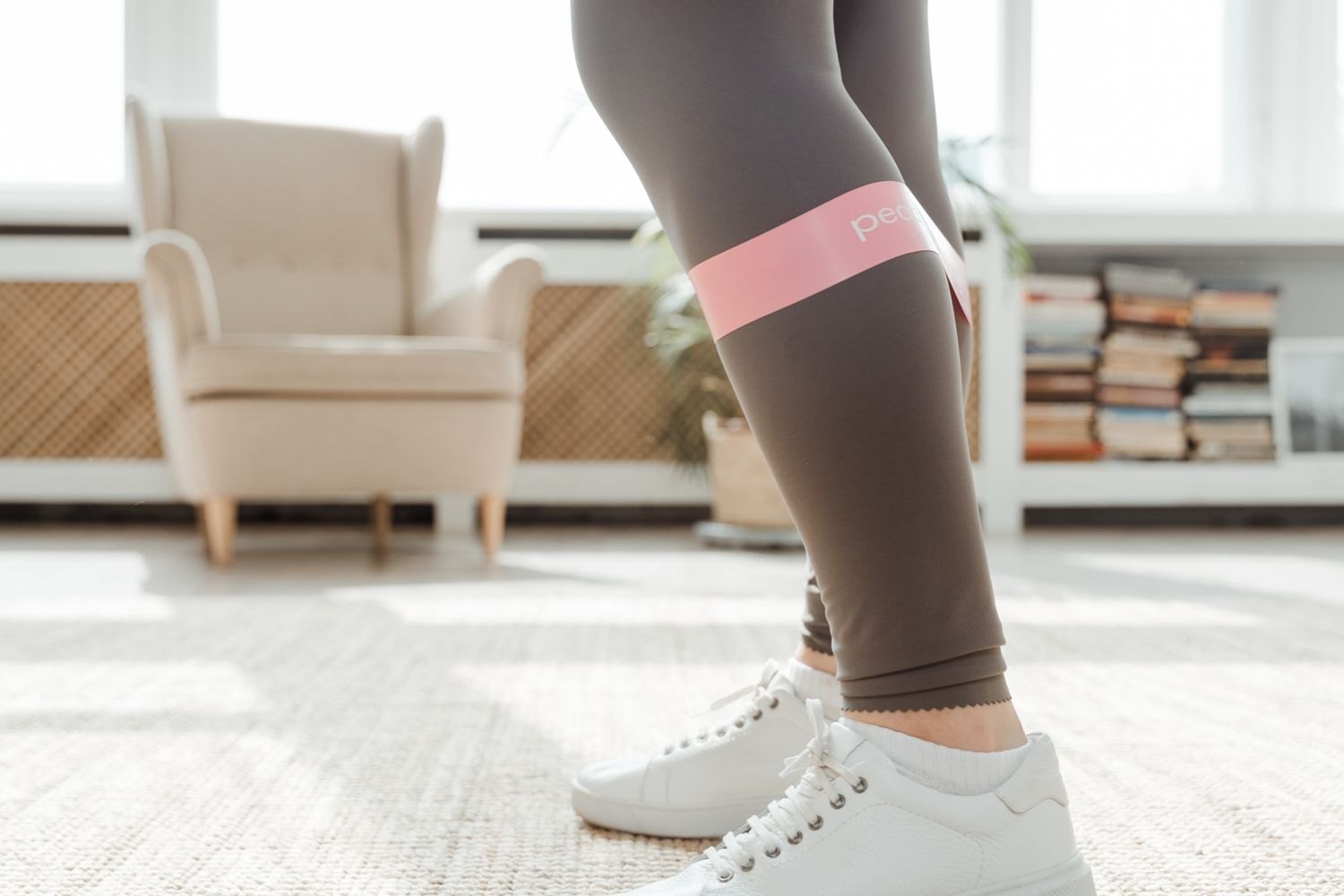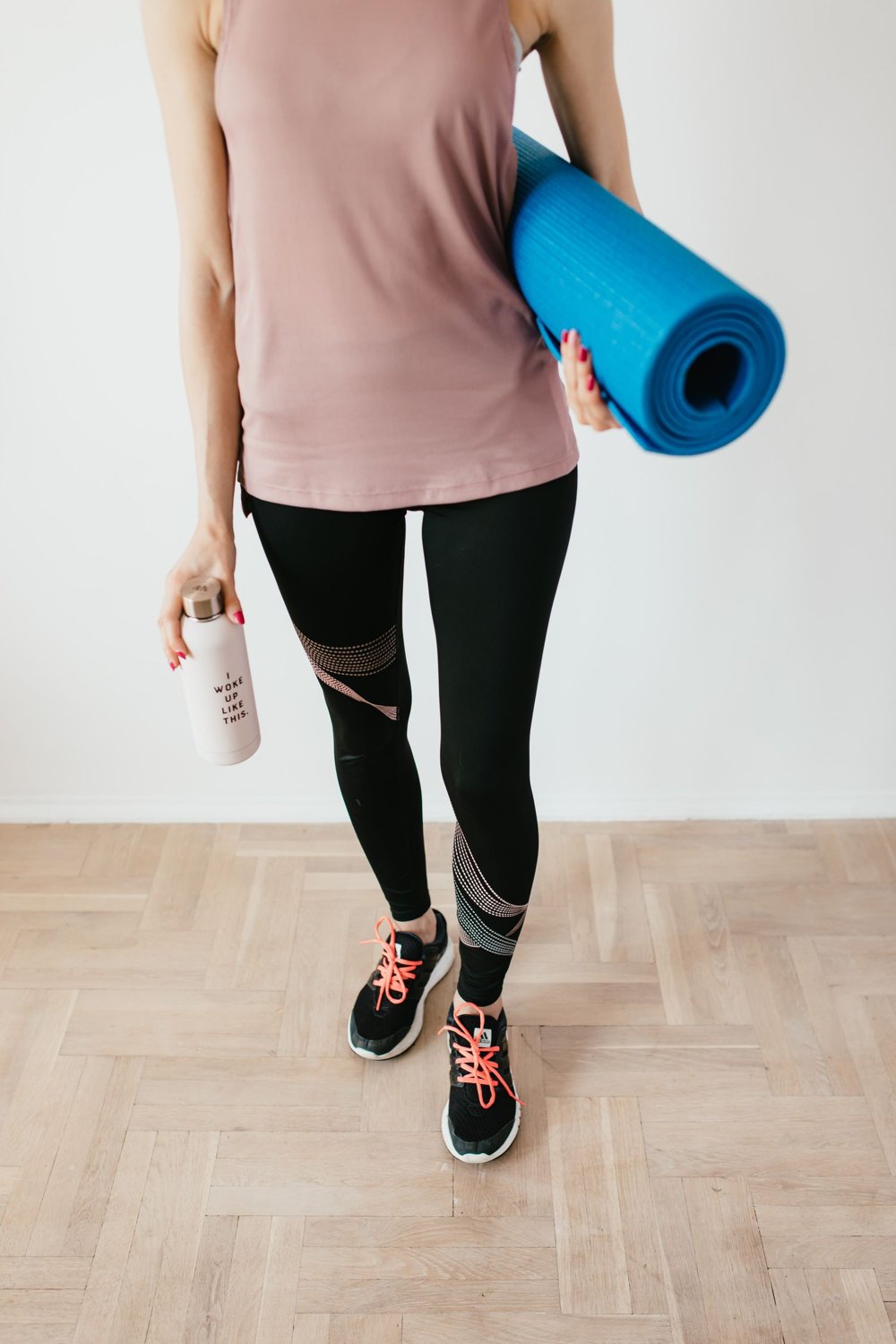
A travel exercise kit can grow until it occupies the space meant for clothes. Before adding equipment, describe one realistic session for the trip. Consider the room, available time, noise, and whether you will already be walking more than usual. The kit should serve that plan rather than create another obligation.
Start with what needs no packed equipment. A short walk, suitable bodyweight movements, or a simple mobility routine may cover the purpose. If an item adds a useful option, name that option clearly. A band earns its space when you know how you will use it safely, not merely because it is lightweight.
Do not pack an assumed anchor
Hotel doors, furniture, rails, and fixtures are not automatically suitable for exercise attachments. Do not rely on an anchor arrangement you have not verified against the product instructions and the actual structure. Choose exercises that work without improvised attachments when the room is unfamiliar.
Check the floor area before unpacking a routine. Low ceilings, slippery surfaces, fragile furniture, and neighboring rooms can rule out movements that work at home. A foldable mat may provide a familiar surface, but it cannot make an unsuitable room spacious or soundproof.
Bring only equipment you already understand. Travel is an inconvenient time to learn an unfamiliar locking mechanism or test a new resistance level. Inspect portable items before departure and again before use. Keep them protected from sharp objects in the bag.
If flying, check the carrier and relevant security rules for the specific item rather than assuming all fitness equipment is permitted in carry-on luggage. Rules can differ by location and item. Consider whether a simple alternative avoids the complication entirely.
Plan for care. Damp clothing and a used mat need time to dry; a band may need cleaning after contact with an unfamiliar floor. Pack a suitable way to separate used items without leaving them sealed and wet for days.
At the end of the trip, notice what you actually used. An untouched item does not automatically need to be carried again. A small, familiar kit can support continuity, while an overfilled bag can turn a flexible travel routine into a project. The equipment that earns its place is the piece that makes an appropriate session easier to begin and finish.