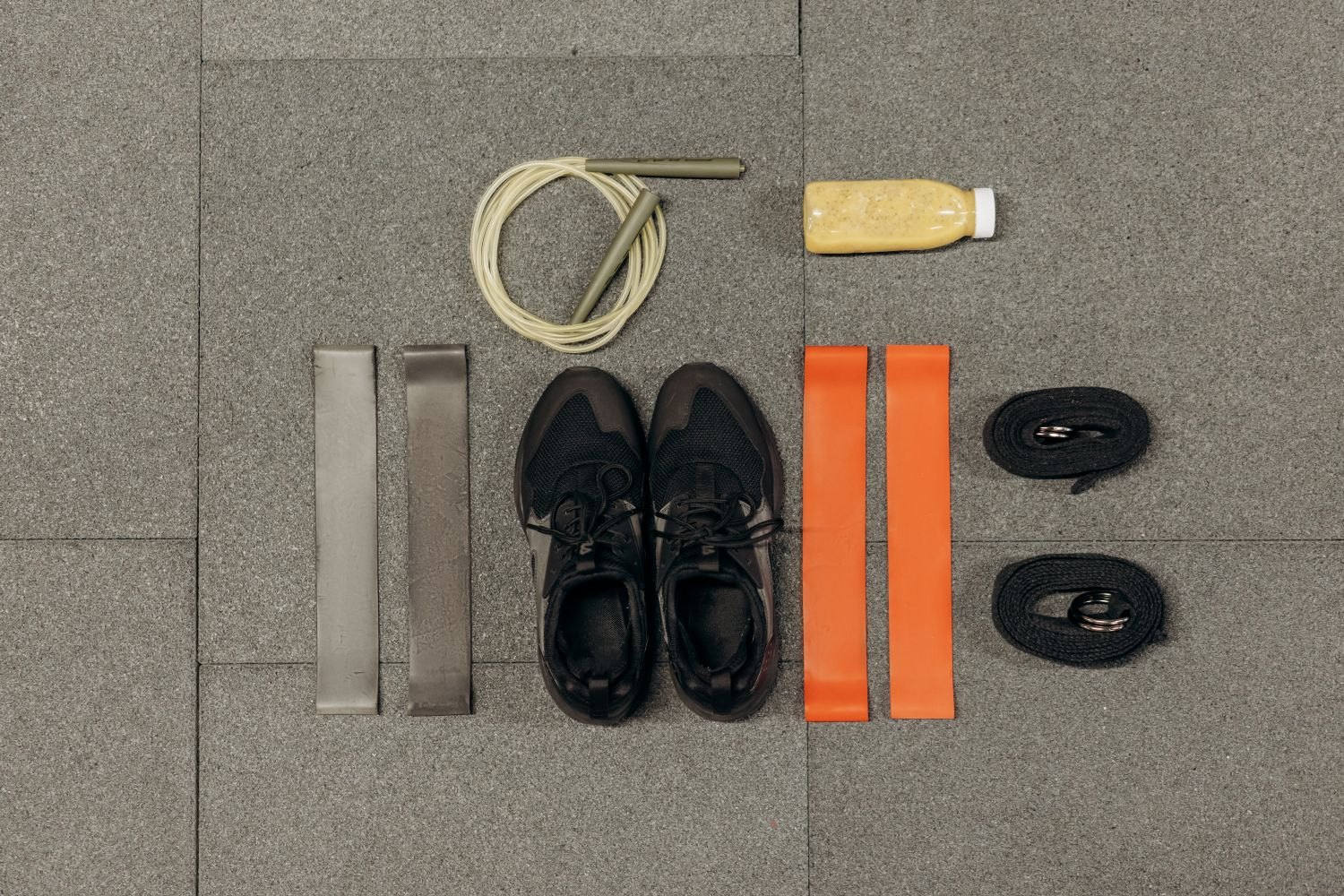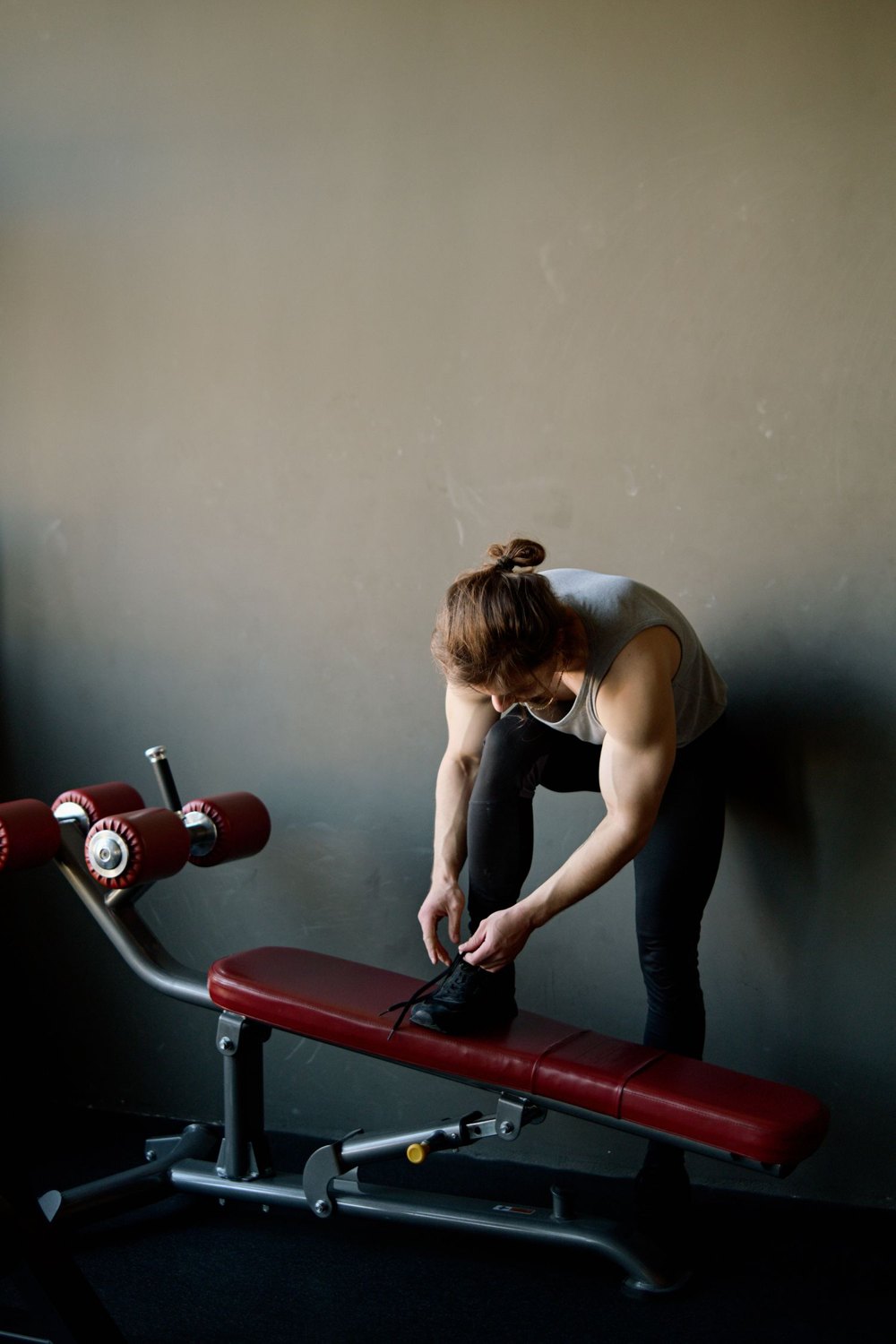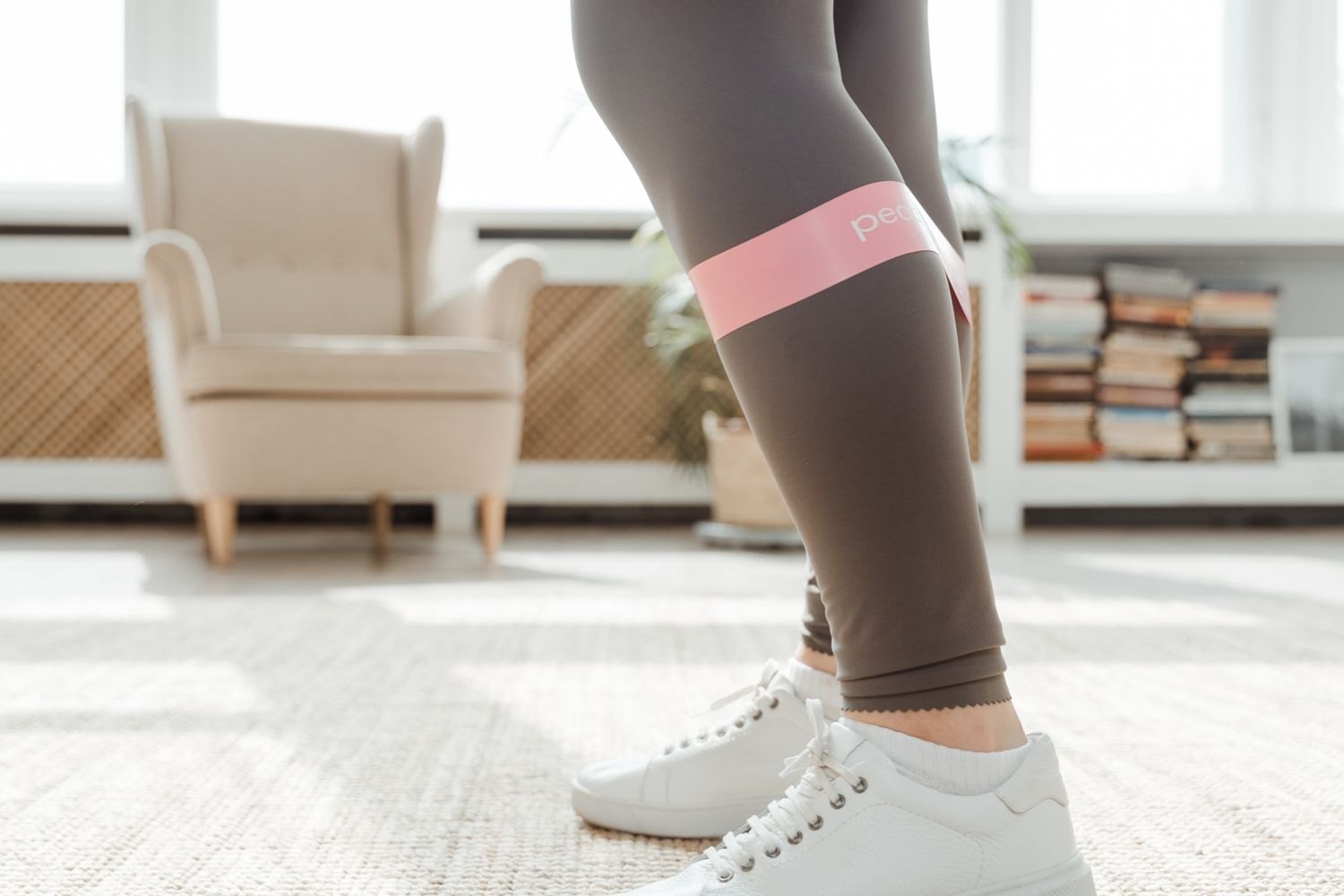
A worn handle, slipping mat, or damaged shoe can gradually become part of the routine. You learn to grip harder, avoid one corner, or stand a little differently. Those adjustments may hide the fact that the equipment no longer behaves as it should.
Notice repeated workarounds. If you always retighten the same strap or avoid putting weight on one side of a bench, stop and inspect the item. Familiarity with a fault is not evidence that it is harmless. The equipment should support the movement rather than require a private set of compensations.
Separate ordinary wear from uncertain function
A faded color or superficial mark may be cosmetic. A crack, loose connection, separating sole, or retention mechanism that does not engage is a different matter. Use the manufacturer’s inspection and replacement guidance. If you cannot determine whether damage affects function, ask the maker or take the item out of use until the question is resolved.
Check moving and connecting parts, not only large visible surfaces. Buckles, pins, seams, clips, and handles can be easy to overlook. With adjustable equipment, verify that the parts are compatible and that there are no current stop-use or recall notices for the model.
Do not create a homemade stress test to reassure yourself. A component surviving one harder pull or heavier lift does not demonstrate that it is safe for repeated use. Repairs should follow approved procedures with appropriate parts, especially where failure could drop a weight or release tension.
For shared equipment, communicate the problem clearly and prevent accidental reuse. A note left nearby may not be enough if someone moves it. Remove the item from the active area or use the facility’s reporting process. Do not leave the next user to discover the fault during a set.
Replacement timing depends on the item, use, conditions, and instructions. A universal calendar rule can miss heavily used equipment and unnecessarily discard lightly used items. Regular inspection is more informative than relying only on the purchase date.
When replacing something, keep the lesson specific. Perhaps a strap was difficult to inspect or a mat did not suit the floor. Use that observation to choose the next item. The objective is a dependable setup, not a constant upgrade cycle. If a worn object has started changing the way you move, it has already earned a closer look.