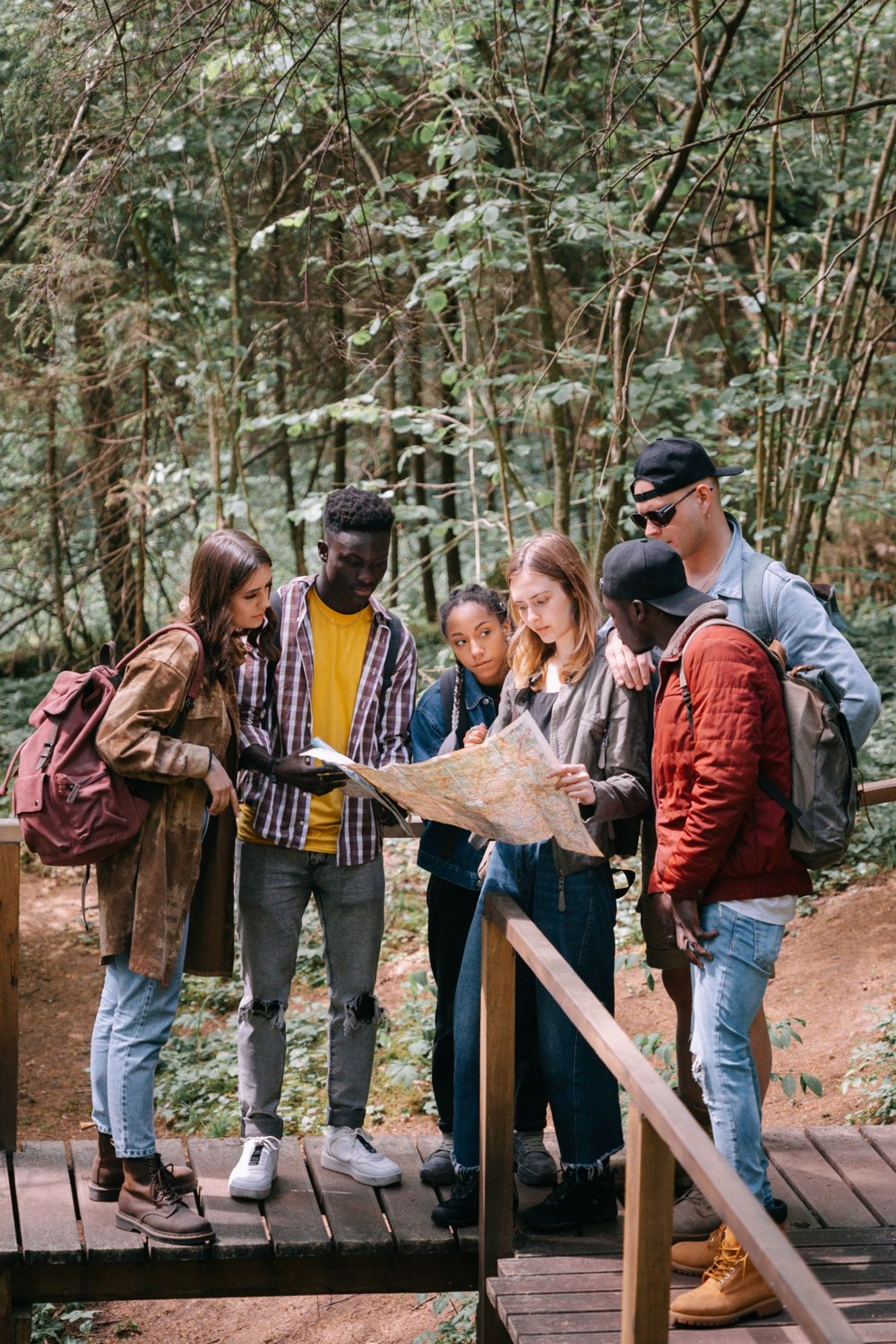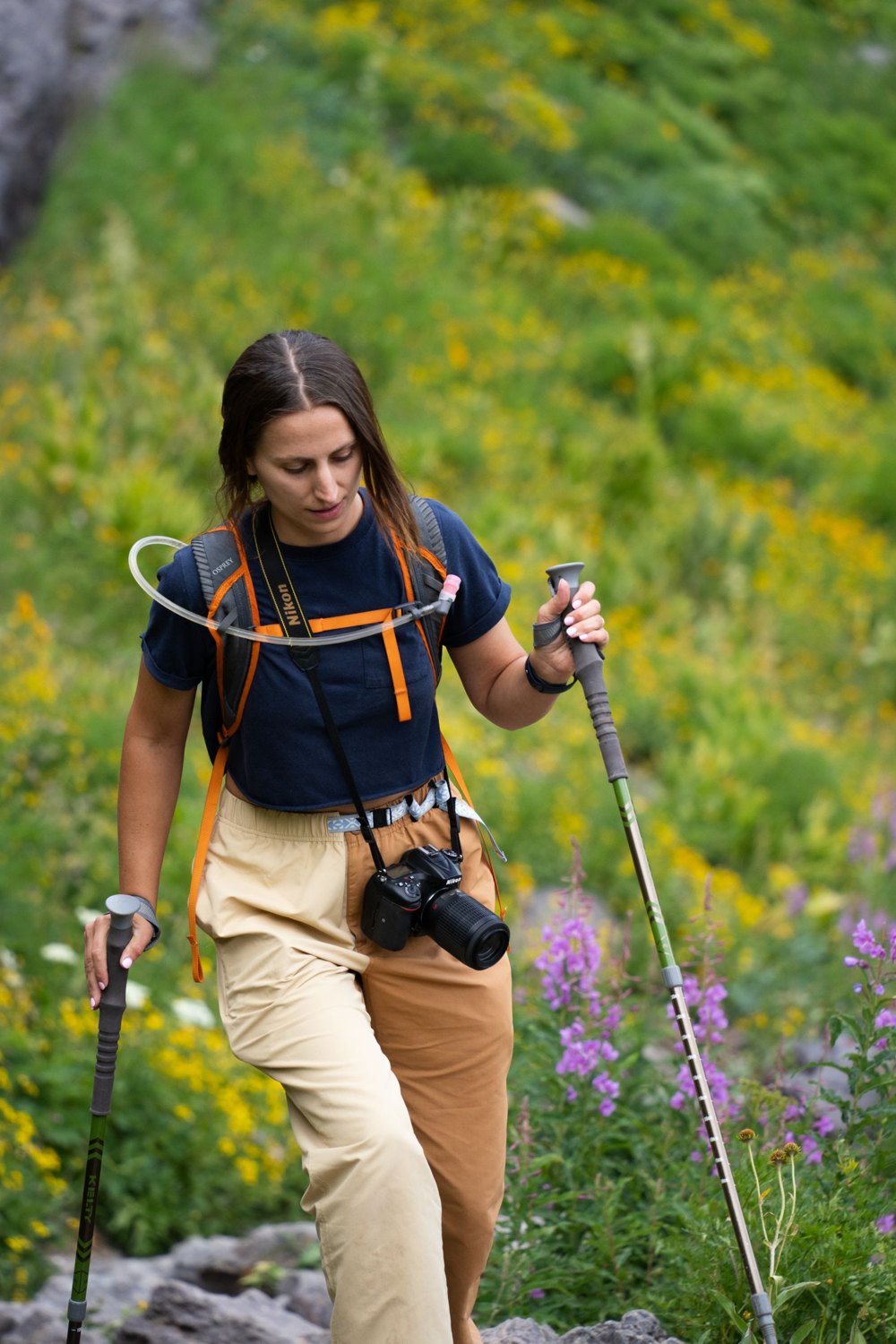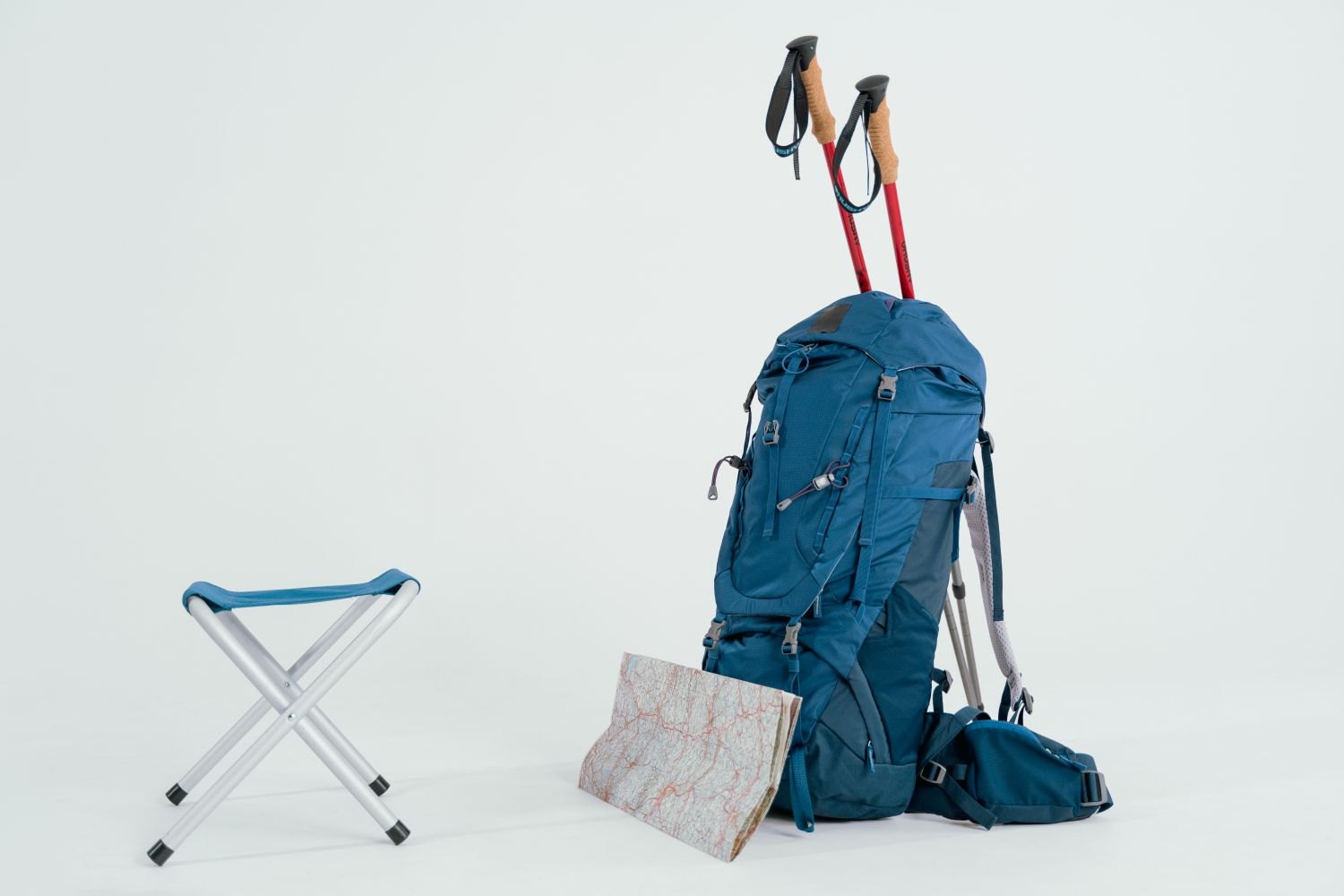
A half-day walk does not require packing for every imaginable adventure. It does require thinking beyond the time you hope to be outside. Weather, access to help, the terrain, and the possibility of a delay should determine what goes in the bag.
Lay out the contents before packing. Separate what protects you from what simply makes the outing pleasant. Navigation, appropriate clothing, water, food, a light, and first-aid supplies belong in the first conversation. The National Park Service’s Ten Essentials framework also includes other emergency systems; use it as a planning reference and adapt equipment to the place, regulations, and skills involved.
Remove duplicates, not functions
Two bulky spare sweaters may be unnecessary, while a suitable warm layer and rain protection do different jobs. Several half-empty bottles may pack less neatly than the containers you actually need. A large pouch of unrelated accessories can often be reduced by deciding what each item is for. Do not discard something important merely because you have not used it on previous easy walks.
Food should be easy to eat without elaborate preparation. Carry an allowance for delays rather than exactly enough for the planned lunch stop. Water planning depends on conditions and the individual; do not rely on an unverified fountain or untreated stream to make a small bottle sufficient. If reliable resupply is absent, the carried amount needs to reflect that.
Pack delicate or essential items where they stay dry. A jacket near the top is easier to use when rain begins. Keep a small snack and water accessible enough that you do not postpone every break. Avoid hanging loose objects outside where they swing, catch vegetation, or fall off unnoticed.
Put the loaded bag on at home. Walk around, adjust the straps, and check for hard corners pressing into your back. If it is uncomfortable now, a longer trail will not solve the arrangement. Moving one bottle or folding a layer differently may help more than buying a larger pack.
Before leaving, make one final check against the actual forecast and route alerts. The finished bag should have a reason behind each item. It need not look impressive on the floor; it needs to support the walk you have chosen and a reasonable response if the day changes.